%20(3).jpeg)
Maine Coon Grooming Tips for Seasonal Shedding
Updated: Sep 9
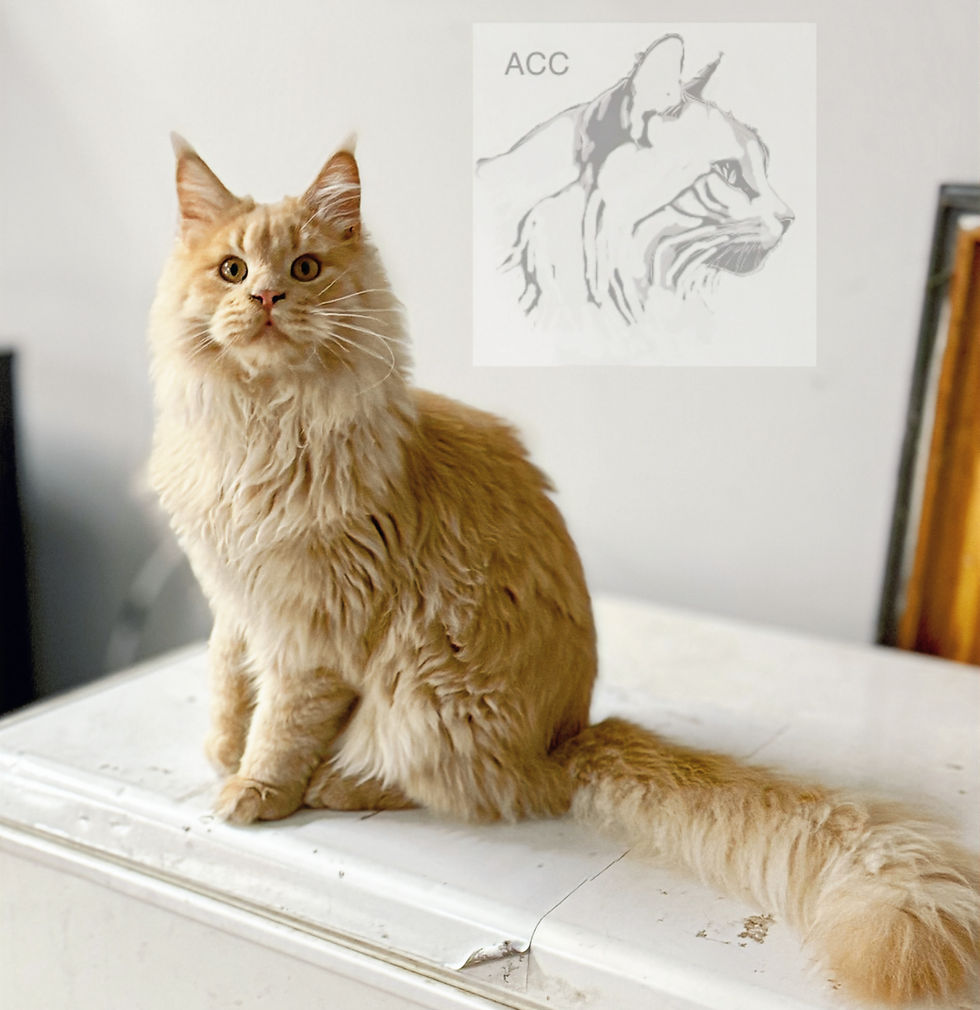
The Maine Coon coat makes an impression long before you reach for a comb. There is the sweep of the tail, the softness around the chest, and the longer hair that moves as the cat crosses a room. Living with that beautiful coat also means finding a little of it on the blanket, the sofa, and the clothes you had just put on.
The most useful Maine Coon grooming tips begin with getting to know your own cat. Understanding their shedding pattern helps you plan comfortable coat care through the year, including the weeks when there seems to be more loose fur around the house.
Seasonal changes, indoor life, and an individual cat's coat all give that routine its shape. Here is how those pieces fit together, with practical ways to make a heavier-shedding period easier for both of you.

Why Maine Coon Shedding Changes Through the Year
Hair grows in a cycle. A follicle has an active growing phase, a transition, and a resting phase; individual hairs eventually give way to replacement growth. The veterinary names for these stages are anagen, catagen, and telogen. Together, they explain why growing a coat and releasing old hair are both ordinary parts of coat renewal. The Merck Veterinary Manual describes light exposure, hormones, and nutrition among the influences on hair growth. Merck: hair growth and the skin.
The loose hairs you find are the visible part of that continuing process. Regular care helps collect them while keeping you familiar with how the coat usually looks and feels. That familiarity becomes especially useful when the amount of shedding changes.
Daylight helps shape the pattern
Spring and autumn are common reference points for heavier shedding. The seasonal pattern involves light exposure as well as the weather, so its timing can vary with the cat's surroundings. In Cornell's CatWatch, veterinary dermatologist William Miller explains that local climate, indoor lighting, and household schedules can affect the expected pattern. Cornell CatWatch: normal versus excessive shedding.
That helps explain why your cat's experience may differ from a simple seasonal calendar. A home with bright evenings offers a different light pattern from the changing daylight outdoors. The environment a cat experiences over time adds useful context to what you notice in the comb.
Why indoor cats may shed throughout the year
VCA describes two broad experiences: some cats in cooler climates, especially those spending time outdoors, have more pronounced seasonal shedding, while many indoor cats shed smaller amounts throughout the year. An indoor Maine Coon may therefore leave hair on the furniture well beyond the months you associate with a seasonal coat change. VCA: coat and skin appearance in the healthy cat.
Those patterns create different kinds of household routines. A pronounced heavier period makes the increase easy to notice. A quieter year-round pattern is less dramatic, but still benefits from a regular place for coat care in your day. Keep the basic routine familiar, then adjust as your cat's needs change.

Understanding the Coat Beneath the Silhouette
Maine Coons have an undercoat. TICA describes it as slight, with coat length varying across the body. A silky outer appearance does not mean there is nothing beneath it to care for. TICA Maine Coon breed standard
During ordinary grooming, notice the feel of the coat as well as the loose hair you collect. A tangle beginning to form needs a different response from a little extra fur on the blanket. Becoming familiar with both helps you make useful adjustments early.
A young Maine Coon's developing appearance is another lovely part of living with the breed. The question of how a kitten's chest coat will fill out belongs to that longer story of maturation. A current increase in loose hair is a separate observation, even when both changes happen during the same year.
Recognizing the Kind of Coat Change You Are Seeing
People often use “shedding” for several different observations. Being specific makes it easier to decide what would help:
What you notice | A useful next step |
More loose hair in the comb or on furniture | Notice when the increase began, how your routine has changed, and how the cat otherwise looks and behaves. |
Hair becoming tangled or compacted in the coat | Give the area gentle attention and seek help for matting you cannot manage comfortably. |
A visibly thin or bare area, repeated licking, or irritated skin | Ask your veterinarian to assess the change. |
Cornell's Feline Health Center explains that excessive licking can arise from itch or pain as well as behavioral causes. The location of hair loss alone does not establish the reason. Licking that removes hair or damages skin deserves attention. Cornell: cats that lick too much
A description such as “the coat is becoming thin along one side” gives your veterinary team a helpful starting point. If you have seen repeated licking or scratching, mention that too.
Getting to Know Your Cat's Shedding Pattern
Your ordinary routine provides the best starting point for noticing a change. Compare grooming sessions after similar intervals: several days of loose hair collected at once will look different from the amount collected the previous morning. That simple distinction helps you describe an increase more clearly instead of judging the season by one especially full comb.
The same applies to household cleanup. Hair on a favorite blanket reflects how long it has been since that blanket was cleaned, as well as how much time your cat has spent there. Looking at the same resting spot after a similar interval makes the pattern easier to understand.
Keep any record simple enough to be useful. A date, a brief note, and an occasional coat photograph may be plenty. Similar lighting and positioning make photographs easier to compare later, particularly if you want to show a change to your veterinarian. The purpose is to become familiar with your companion's normal rhythm while enjoying everyday life together.
Maine Coon Grooming Tips for a Heavier-Shedding Period
Regular brushing helps remove loose hair, and long-coated cats generally need daily attention to prevent tangles. Appropriate tools and gentle handling matter: a comb should not be forced through resistance. Your veterinary team can help match the tool and routine to the individual coat. VCA: grooming and coat care
During a heavier period, make room for small, comfortable sessions within that routine. Having the tools ready and choosing a place where you can both settle makes the time easier to use. Leave enough flexibility to pause when your cat needs a break.
Cats Protection recommends building grooming gradually and using as little restraint as possible. If grooming has become frightening or difficult, professional support can help you work toward a more comfortable approach. Cats Protection: grooming your cat
Never cut a mat out with scissors. Skin can be caught closely beneath the hair, even when it is difficult to see. Tight or extensive matting needs an experienced professional, and painful or irritated skin needs veterinary assessment. VCA: grooming a long-haired cat safely
We walk through the everyday routine and the different areas that need attention in our Gentle Grooming Guide. During a shedding increase, you can build on that familiar foundation with the adjustments your cat needs.
A Heavier-Shedding Week at Home
For example, imagine an adult Maine Coon whose family notices more loose hair on a favorite blanket and in the comb than during their usual routine. The cat seems comfortable, and they have not noticed bare patches, sore skin, or unusual licking.
They compare like with like. The blanket was cleaned at its usual interval, and the time between grooming sessions has stayed much the same. The increase is appearing across their ordinary routine, rather than only after an unusually long gap between sessions. Those details give them a clearer description of what has changed.
Their adjustment is specific to the extra loose fur: continue comfortable daily coat care and freshen the favorite resting spot a little more often. As the amount of loose hair moves back toward its usual pattern, they reduce the extra furniture cleanup while keeping normal coat care in place. If they notice a thin area, irritated skin, unusual licking, or discomfort, they seek veterinary advice rather than treating that change as simply another part of the season.

Making Household Cleanup Easier
Start with the places your Maine Coon chooses most often: the favorite tree platform, a sofa corner, or a particular blanket. A washable cover and a readily available furniture-hair tool can make those familiar resting spots easier to freshen up. Follow the tool manufacturer's directions for the surface you are cleaning.
The furniture-hair mitt featured in our homecoming guide is one of my favorite options for couches and cat trees. It is a household cleanup tool, so keep it with the furniture-care supplies and use separate, appropriate tools for your cat's coat.
The wider routine includes companionship, cleaning, suitable equipment, and arrangements for the days someone else helps with care. Our maintenance article explores that everyday picture.
When Your Veterinary Team Can Help
Arrange veterinary advice for new thin areas, sore or irritated skin, or a change in grooming that concerns you. Cats Protection describes a skin assessment as a combination of history, examination, and sometimes additional tests; appearance alone may not identify the cause. Cats Protection: skin problems in cats
A few clear details can help the conversation:
When you first noticed the change and whether it is progressing.
Whether it affects the whole coat or a particular area.
Any repeated licking, scratching, or attention to one spot that you have seen.
Changes to food, products, medication, household routine, or other pets.
Dated photographs or a brief video, if your cat is comfortable while you obtain them.
Share anything else that has changed in your cat's behavior or wellbeing. These notes support the appointment; you can ask for help before you have collected them all.
For irritated skin, check with your veterinarian before applying a home remedy. Human creams, oils, and unprescribed supplements may be unsuitable for cats or make matters worse. Your clinic can advise what, if anything, to use before the appointment. Cats Protection: treatment cautions
Questions About Seasonal Coat Care
Does heavier shedding mean my cat needs a bath?
Most healthy adult cats rarely need bathing. The right approach depends on the individual cat and any underlying condition, so ordinary gentle coat care is a useful starting point when you notice more loose hair. If the coat needs additional help, ask for advice tailored to your cat. VCA: bathing and coat care
How do I know when a grooming session is finished?
Aim for comfortable care that keeps the coat manageable. Hair renewal continues, so an entirely empty comb is not the goal of every session. Pay attention to your cat's comfort, pause as needed, and seek advice if your familiar routine is becoming difficult to carry out gently.
Will the next heavier-shedding period follow the same calendar?
Your own observations are a useful starting point, but leave room for the timing to vary. Daylight, indoor lighting, and your cat's surroundings all contribute to the pattern described earlier. Look back at when the last increase began and how it differed from ordinary shedding. The aim is to recognize your companion's rhythm, not expect a coat change to arrive on a particular date.
Learning the rhythm of a Maine Coon's coat is part of getting to know the cat themselves. A familiar routine, gentle attention, and a few helpful household habits make room to enjoy the wonderful coat—and, most of all, the companion wearing it.


Comments